Kawaii fashion, often recognized by its playful and adorable aesthetic, is frequently dismissed as merely a trend centered on cuteness. However, this style represents much more than simple visual appeal; it embodies cultural expression, personal identity, and social commentary. Originating in Japan during the 1970s and gaining international popularity over the decades, kawaii fashion has evolved into a multifaceted phenomenon that resonates deeply with individuals seeking creativity and empowerment.
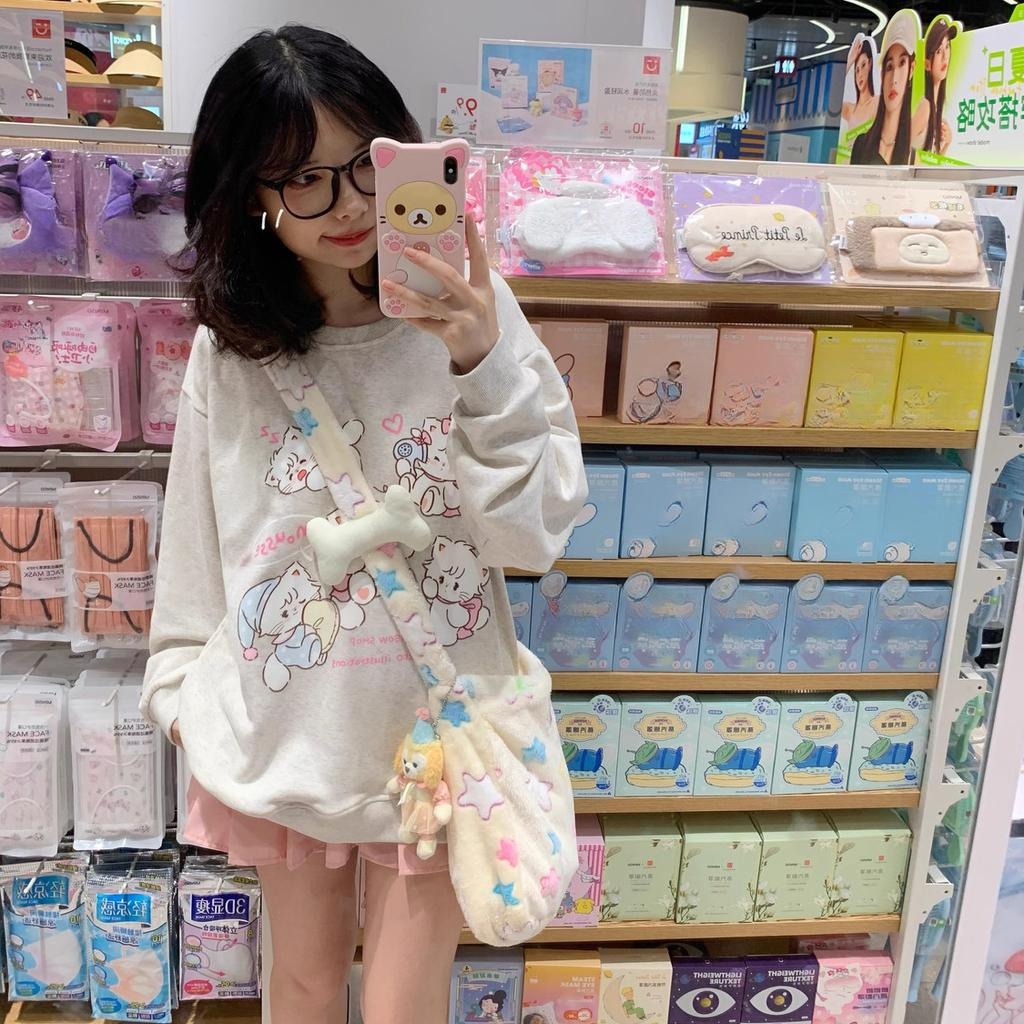
At its core, kawaii fashion challenges conventional beauty standards by embracing innocence, whimsy, and childlike wonder. Unlike mainstream fashion that often emphasizes sophistication or sensuality, kawaii encourages wearers to explore softness and vulnerability through pastel colors, oversized silhouettes, and playful accessories. This approach allows people to express facets of their personality that might otherwise be suppressed in traditional adult roles or professional environments. It creates a safe space where self-expression is not only welcomed but celebrated.
Moreover, kawaii culture carries significant cultural weight within Japanese society. It reflects historical shifts in youth attitudes toward conformity and individuality. During periods when societal expectations were rigidly defined by hierarchy and formality, adopting kawaii styles became an act of subtle rebellion for young people seeking autonomy over their appearance. The movement also intersects with concepts like “kawaii” being linked to kindness or gentleness rather than just aesthetics alone. Thus, wearing kawaii clothing can communicate values such as friendliness or approachability without words.
The global spread of kawaii fashion underscores its role as a bridge between cultures rather than a mere fad confined to Japan’s borders. International enthusiasts adapt elements of the style while incorporating Kawaii Fashion local influences to create unique hybrids that reflect their own identities. This cross-cultural exchange highlights how kawaii transcends language barriers by offering universal themes of joyfulness and creativity accessible to diverse audiences worldwide.
In addition to fostering individuality on a personal level, kawaii fashion has economic implications through its influence on industries such as cosmetics, toys, entertainment media, and retail markets targeting younger demographics who value imaginative experiences alongside consumer products. Brands leveraging this aesthetic tap into emotional connections formed around nostalgia or comfort associated with childhood memories.
In conclusion, kawaii fashion extends beyond superficial cuteness; it serves as an important medium for self-expression rooted in cultural history while promoting inclusivity across generations globally. Its impact reaches far past visual charm into realms of identity formation and societal interaction-making it both meaningful art form and lifestyle choice embraced worldwide today.